

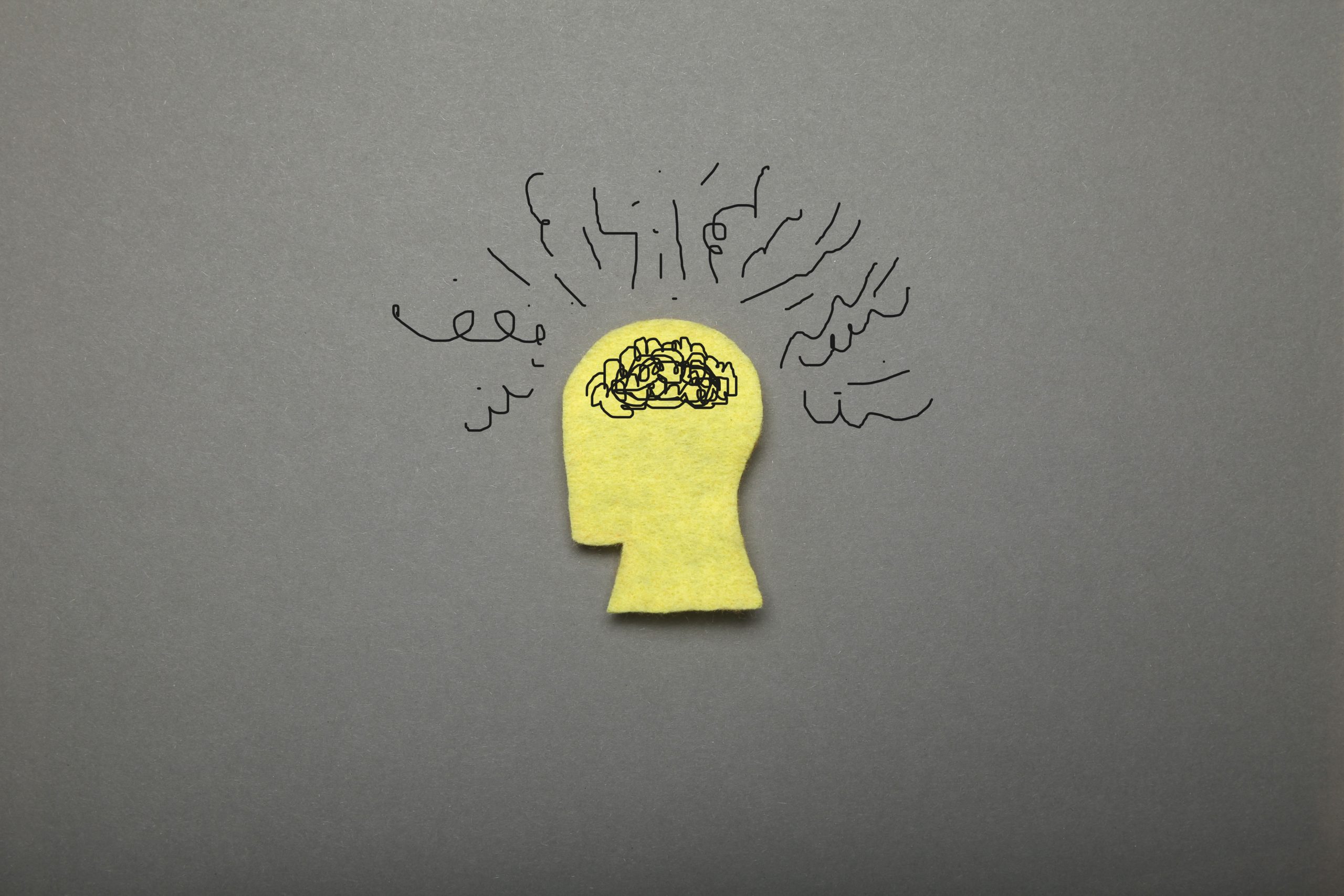
Managing Stress as a Teacher

Teaching is a fulfilling career, but it can also be incredibly demanding. From workload pressures to classroom responsibilities, stress can build up quickly and affect both mental and physical wellbeing.

Stress Awareness Month April 2026 focuses on the theme #BeTheChange, encouraging everyone to take small, proactive steps to reduce stress and improve daily life.

The Stress Management Society explains that meaningful change starts with individuals choosing to act differently. Simple habits such as setting boundaries, taking breaks, and reaching out for support can make a significant difference to your wellbeing as a teacher.

Below are practical, realistic strategies to help manage stress in the classroom and beyond.

Prioritise and Organise

Start by breaking tasks into manageable steps. Use a to‑do list or digital planner to stay focused and reduce overwhelm. Identify what needs to be completed today and what can wait. A clear plan helps you stay in control of your workload.

Set Healthy Boundaries

Creating separation between work and home is essential. Try to avoid checking emails outside working hours and protect your evenings and weekends. Setting boundaries supports a healthier work life balance and helps prevent burnout

Take Breaks and Practise Mindfulness

Short, regular breaks can help reset your mind. Deep breathing, a quick walk, or a quiet moment before lessons can improve focus and reduce stress. Mindfulness does not need to be complicated; small pauses throughout the day can make a big impact.

Seek Support When You Need It

Teaching is a team effort. Share resources with colleagues, ask for advice, and speak to your line manager if workload becomes unmanageable. Reaching out for support is a positive step, not a weakness.

Look After Your Physical Health

Your physical wellbeing plays a major role in how you handle stress. Aim for regular exercise, stay hydrated, eat balanced meals, and try to limit caffeine. Even a 30‑minute walk can boost your mood and energy levels.

Build a Routine That Grounds You

Simple daily rituals can help you feel more settled. Whether it is a playlist on your commute, a morning coffee, or ten minutes of quiet reflection, routines create stability and help you start the day with a clear mind.

Be The Change This April

Stress Awareness Month 2026 encourages everyone to take small, meaningful steps that support better mental health. For teachers, this might mean setting clearer boundaries, practising self‑compassion, or supporting colleagues who may be struggling. Small actions can create a healthier school culture for everyone.

For free resources, toolkits, and more information about the #BeTheChange movement, visit the Stress Management Society website.

If you are exploring new opportunities in education our team are here to help. Visit our Contact Page or browse our latest vacancies to take the next step in your career.